

Choosing between Grade A vs Grade B office space is one of the biggest cost decisions a tenant makes. The grade shapes your rent, your staff’s daily experience and how your brand looks to visitors, yet there is no single official definition, so you need to judge buildings on specifics.
This guide explains how the two grades are usually described in India, seven differences that matter, and how to decide for your own team in Hyderabad.
Table of Contents
Table of Contents
What Grade A vs Grade B Office Space Means
An Address Advisors guide to the two grades describes Grade A buildings as modern, in prime or central business districts, with efficient systems, strong security, parking and often green certification. Grade B buildings are described as functional but older, with basic layouts, limited parking and minimal common facilities.
That page is undated and gives no rent figures. Grades are a market convention, not a legal rating, so one broker’s Grade A can be another’s Grade B. Inspect the building rather than trusting the label.
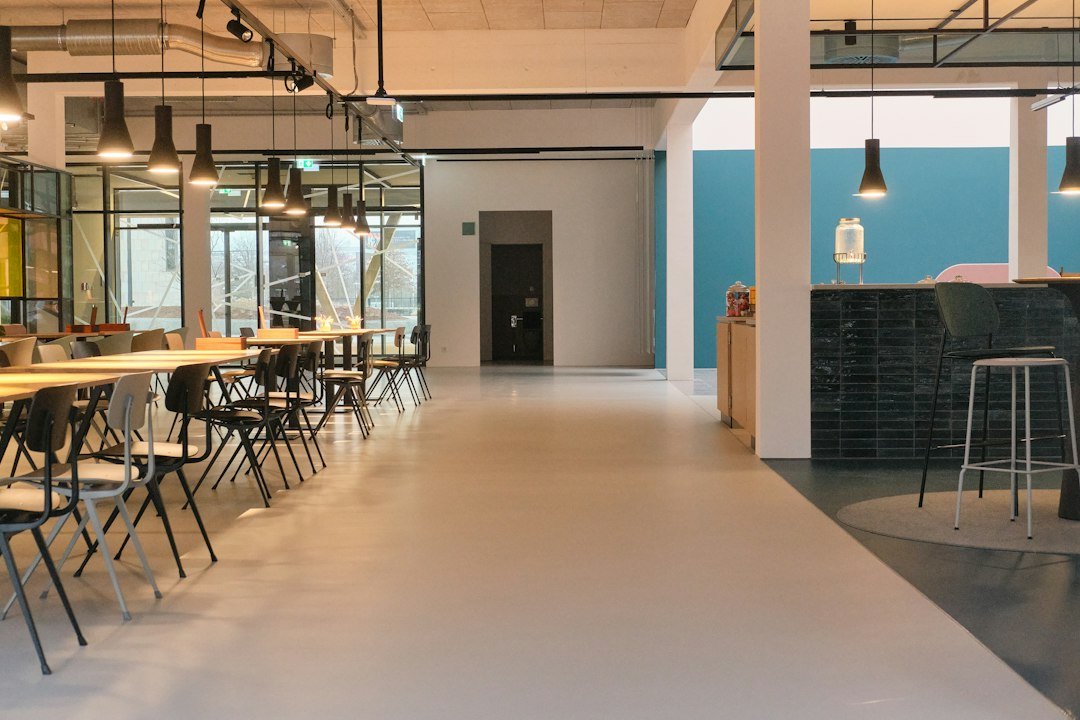
7 Differences Between Grade A and Grade B Offices
1. Location
Grade A buildings cluster in established business districts such as HITEC City and Gachibowli. Grade B ones tend to sit in secondary or emerging areas. Compare corridors in our guide to Gachibowli vs HITEC City office space.
2. Building systems
Grade A usually offers modern air-conditioning, fast lifts and smart controls. Grade B often has older mechanical and electrical systems, which can mean higher repair risk.
3. Amenities
Expect round-the-clock security, parking, cafes and conference facilities in Grade A. Grade B generally has fewer common facilities.
4. Certification and compliance
Grade A buildings are expected to meet fire, safety and environmental norms and may hold green certification. In any grade, ask for the occupancy certificate; see our guide to the occupancy certificate for commercial property.
5. Rent
Grade A commands higher rent. A report from Anarock and FICCI, covered by CXOToday, puts Hyderabad’s average office rent at about ₹75 per sq ft per month and its Grade A stock at about 125 million sq ft. Actual quotes vary widely by building, so ask for a written rate on carpet area.
6. Tenant profile and brand image
Large corporates and capability centres usually prefer Grade A. Smaller firms and start-ups may find Grade B good value if the basics are sound.
7. Flexibility and fit-out
Newer buildings often have regular floor plates and spare power, which make fit-out easier. Older stock may need more work to suit your layout.
How to Choose for Your Business
Start with headcount, client visits and commute. If your team and clients value a premium address, Grade A earns its rent. If budget matters more, a well-run Grade B building close to your staff can be the smarter pick. Visit both on a weekday morning and compare the total monthly cost, not just rent.
Related Guides
Read our guides to office space for lease in Hyderabad and office space in HITEC City, plus our pillar guide to commercial property investment in Hyderabad. Availability changes, so confirm current details with our team.
FAQs on Grade A vs Grade B Office Space
Who decides a building’s grade?
No official body does. Brokers and consultants use their own criteria, so judge each building on its facts.
Is Grade A always worth the higher rent?
Not always. It pays off when staff experience and client image matter. Otherwise a sound Grade B building can serve well.
Can I negotiate rent in Grade A buildings?
Terms such as fit-out periods, escalation and deposits are often negotiable. Ask for them in writing.
Need help comparing buildings? Call +91 90591 11856 or email info@indigoprojects.in.
Pingback: GCCs in Hyderabad: 7 Reasons They Drive Office Demand